Teamwork
A culture of cooperation & teamwork – Insights from Wild Dogs
Wild dogs have the most structured social order of carnivores, living in packs led by a dominant male and female. Wild dogs are masters of the collective approach, the pack comes first. There is no I, only WE.
“Wild dogs know not the word ‘me’. They only know about ‘us’. Pack is poetry. ‘Loneliness’ only the dead know of. Wild dogs vocabulary is limited to collective nouns”
– Heinrich van den Berg
Discover the lessons learnt from Wild Dogs in teamwork, team development, cooperation, trust, support, motivation, communication, innovation and fun through Directive Communication Psychology™
Lessons learnt from these beautiful creatures, wild dogs and how to develop teams and build teamwork and trust.
- The team (pack) is everything.
- The pack collectively focuses on their objective and every individual knows their role.
- They execute everything they do to the best of their ability.
- They are tenacious.
- They are excellent communicators – every pack member knows and understands.
- They don’t know ‘me’ or ‘I’, only ‘We’.
- They are the ultimate vision of cooperation in a pack (team).
- Alpha males and females lead by example and continuously teach other pack members. Team Development.
- They are caring towards one another.
- They do not compete against each other, rather complementing each other.
- They always learn from each other, every hunt(work).
- They know how to play and have fun, forming unbreakable bonds.
- Wild dogs will support their vulnerable members. The young, hurt, sick and old.
- Everything wild dogs do is for the best outcome of the pack.
- Wild dogs are social, caring, communicative, supportive and fun loving.
- Every day is a new adventure experienced and enjoyed by all.
- All in the eyes of the beholder – Wild Dogs are beautiful, awe-inspiring animals. They teach us the true meaning of team versus individual to create successful outcomes for all.
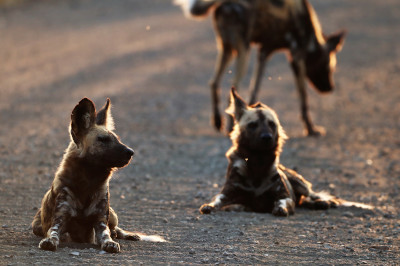
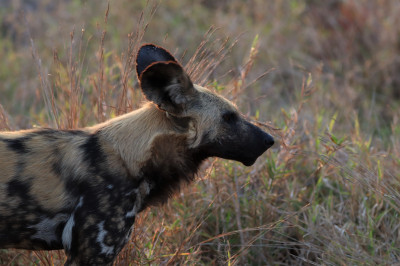
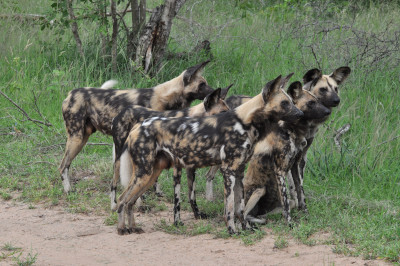

- Collective Focus: The team shares a common objective and aligns their efforts towards achieving it. They understand the importance of working together and leveraging each other’s strengths to reach their goals.
- Clear Roles: Each individual in the pack knows their specific role and responsibilities, contributing to the overall success of the team. This clarity prevents confusion and ensures efficient collaboration.
- Excellence and Tenacity: The pack members are committed to performing at their best and persevering through challenges. Their determination and resilience help them overcome obstacles in their path.
- Effective Communication: Strong communication skills within the pack are essential for sharing information, ideas, and feedback. This fosters a culture of openness and understanding among team members.
- Emphasis on “We” over “Me”: The team prioritizes the collective over individual interests. This selfless approach promotes unity, cooperation, and a sense of belonging among all members.
- Leadership by Example: Alpha males and females in the pack lead through their actions and continuously mentor and guide other members. Their positive influence encourages the development of the entire team.
- Caring and Supportive Environment: A caring atmosphere within the pack fosters trust, empathy, and a sense of camaraderie among members. This emotional support enhances team cohesion and overall performance.
Overall, this vision of a pack or team exemplifies the traits necessary for high-performance groups that work harmoniously towards a shared goal. By embodying these qualities, teams can foster a positive and productive environment, leading to greater success and fulfilment for all members.
Wild dogs, also known as African wild dogs or painted wolves, indeed have a highly structured social order. They live in packs that typically consist of a dominant male and female, along with their offspring from previous litters. The pack structure is characterized by cooperation, unity, and a strong sense of collective responsibility.
Within the pack, each individual has a specific role and contributes to the survival and well-being of the group. Cooperation is vital for hunting, raising pups, and defending territory. Wild dogs are known for their exceptional teamwork during hunts, where they coordinate their actions to pursue and capture prey more effectively.
Unlike some other carnivores that may exhibit more solitary behavior, wild dogs prioritize the pack over individual interests. The pack functions as a cohesive unit, and decisions are often made collectively for the benefit of the entire group. This strong social bond and selfless approach are reflected in the saying, “There is no I, only WE.“
The collective nature of wild dogs’ social order allows them to thrive in their natural habitat and increases their chances of survival. By working together and supporting one another, they can overcome challenges, provide care for their young, and ensure the long-term success of the pack.
This aspect of wild dog behavior has often been studied and admired for its parallels to teamwork, collaboration, and selflessness in human society. The “WE” mentality exhibited by wild dogs can serve as an inspiration for fostering unity, cooperation, and collective success in various human contexts, such as teams, organizations, and communities.